

In the field of hydraulic systems, every component plays a crucial role in ensuring the system operates smoothly and efficiently. One such component, often overlooked but of great significance, is the breather. As a leading supplier of hydraulic systems, we understand the vital role of breathers and their impact on the overall performance of hydraulic setups. In this blog, we'll delve into what a breather is, how it functions, and its various roles within a hydraulic system.
What is a Breather in a Hydraulic System?
A breather in a hydraulic system is a small but essential device typically installed on the hydraulic reservoir. Its primary function is to allow air to enter and exit the reservoir as the fluid level inside the tank changes. When the hydraulic pump draws fluid from the reservoir, the level of the oil decreases, creating a negative pressure inside the tank. Conversely, when the fluid returns to the reservoir, the level rises, increasing the pressure. The breather equalizes these pressure changes, preventing the formation of a vacuum or excessive pressure within the reservoir.
How Breathers Work
Breathers are designed with filters that trap contaminants such as dust, dirt, and moisture particles present in the incoming air. The most common type of breather filter is a cellulose-based filter media, which can effectively remove a large percentage of solid particles and some moisture from the air. As air is drawn into or expelled from the reservoir, it passes through this filter, ensuring that only clean air enters the tank.
Some advanced breathers are equipped with desiccant elements. These desiccants absorb moisture from the air, maintaining a dry environment inside the reservoir. This is particularly important because water contamination in hydraulic fluid can lead to a variety of problems, including corrosion of internal components, reduced lubrication properties, and the formation of sludge.
The Role of a Breather
- Pressure Equalization: As mentioned earlier, one of the main roles of a breather is to equalize the pressure inside the hydraulic reservoir. Without proper pressure equalization, the system can experience problems such as cavitation, where bubbles form in the hydraulic fluid due to low pressure. Cavitation can cause damage to the pump, valves, and other components, leading to reduced efficiency and premature failure.
- Contamination Control: Breathers act as the first line of defense against airborne contaminants. By filtering the air entering the reservoir, they prevent dust, dirt, and other particles from mixing with the hydraulic fluid. Even small particles can cause significant wear and tear on the internal components of a hydraulic system, such as the piston seals and pump vanes. Over time, the accumulation of contaminants can lead to clogging of filters, valves, and orifices, resulting in reduced system performance and increased maintenance costs.
- Moisture Prevention: In addition to filtering solid particles, breathers also help in preventing moisture from entering the reservoir. Moisture can enter the system through various means, such as condensation or during the filling process. When moisture mixes with the hydraulic fluid, it can cause oxidation, which degrades the fluid's properties and reduces its ability to lubricate and protect the components. Breathers with desiccant elements can effectively remove moisture from the air, keeping the hydraulic fluid dry and extending its service life.
- System Longevity: By ensuring proper pressure equalization, controlling contamination, and preventing moisture ingress, breathers contribute significantly to the overall longevity of the hydraulic system. A well-maintained hydraulic system with a properly functioning breather will experience fewer breakdowns, require less frequent maintenance, and have a longer service life. This not only reduces the total cost of ownership but also improves the reliability and productivity of the equipment that relies on the hydraulic system.
Breathers in Different Hydraulic Systems
Breathers are used in a wide range of hydraulic systems, from small, compact setups to large industrial applications.
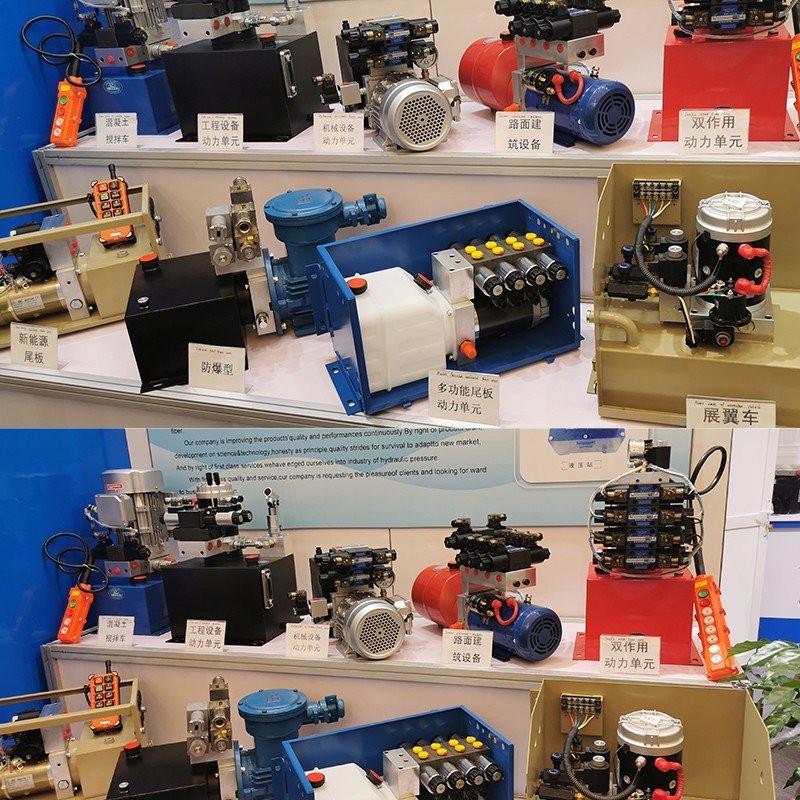

- Small Hydraulic System: In Small Hydraulic System, breathers are equally important despite the system's smaller size. These systems are often used in mobile equipment, such as small excavators, forklifts, and agricultural machinery. The compact nature of these systems makes them more susceptible to contamination, and a reliable breather can help ensure their smooth operation. The size and capacity of the breather in a small hydraulic system need to be carefully selected to match the system's requirements.
- 24v Hydraulic Power Unit: 24v Hydraulic Power Unit are commonly used in applications where a low-voltage power source is available. These units are often found in automotive, marine, and some small industrial settings. The breather in a 24v hydraulic power unit plays a crucial role in maintaining the integrity of the system, as any contamination or pressure imbalance can affect the performance of the unit. A high-quality breather can prevent premature failure of the unit and ensure consistent operation.
- Hydraulic Oil Chiller Unit: Hydraulic Oil Chiller Unit are used to cool the hydraulic fluid in large industrial hydraulic systems. The breather in these units is important for maintaining the proper pressure inside the reservoir and preventing contamination of the coolant and the hydraulic fluid. In a chiller unit, the air exchange is critical to remove heat from the system, and a well-functioning breather ensures that the process is efficient and free from contaminants.
Importance of Regular Maintenance
To ensure that breathers perform their intended functions effectively, regular maintenance is essential. Over time, the filter media in the breather can become clogged with contaminants, reducing its filtering efficiency and restricting the airflow. This can lead to improper pressure equalization and increased contamination of the hydraulic fluid. Therefore, it is recommended to replace the breather filters at regular intervals, as specified by the manufacturer.
In addition to filter replacement, the breather assembly should be inspected periodically for signs of damage, such as cracks or leaks. Damaged breathers can allow unfiltered air and moisture to enter the reservoir, compromising the integrity of the hydraulic system.
Conclusion
In conclusion, the role of a breather in a hydraulic system is multifaceted and indispensable. From pressure equalization to contamination control and moisture prevention, breathers are essential for maintaining the health and performance of hydraulic systems. As a hydraulic system supplier, we recognize the importance of providing high-quality breathers as part of our comprehensive hydraulic solutions.
If you are in the market for a reliable hydraulic system or need to replace your existing breather, we invite you to contact us for a procurement discussion. Our team of experts is ready to assist you in finding the right hydraulic components and solutions tailored to your specific needs.
References
- "Hydraulic System Design and Maintenance Handbook" - A comprehensive guide on hydraulic system design and the importance of each component.
- Manufacturer's documents on the operation and maintenance of hydraulic breathers.


