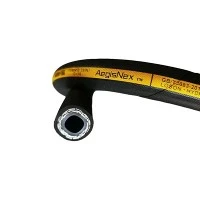
As a supplier of Steel Braided Hydraulic Hose, I often get asked about pressure drop in these hoses. It's a crucial topic, especially for those who rely on hydraulic systems in their operations. So, let's dive right in and figure out what pressure drop in a steel braided hydraulic hose really is.
What is Pressure Drop?
Pressure drop, in simple terms, is the decrease in pressure that occurs as a fluid flows through a hydraulic hose. When you've got a hydraulic system up and running, the fluid - usually oil - moves from the pump to different components like cylinders or motors. Along the way, it encounters resistance inside the hose. This resistance causes the pressure of the fluid to drop.
Think of it like water flowing through a garden hose. If the hose is long or has a small diameter, the water doesn't come out as strongly at the end as it did at the beginning. That's because there's resistance in the hose, and the pressure of the water decreases as it travels through. The same principle applies to hydraulic hoses.
Factors Affecting Pressure Drop in Steel Braided Hydraulic Hoses
There are several factors that can influence the pressure drop in a steel braided hydraulic hose. Let's take a look at some of the most important ones.
Hose Diameter
The diameter of the hose plays a huge role in pressure drop. A smaller diameter hose means the fluid has less space to flow through. This increases the velocity of the fluid and also the resistance it faces. As a result, there's a greater pressure drop. On the other hand, a larger diameter hose provides more space for the fluid, reducing the velocity and the resistance. So, the pressure drop is lower.
For example, if you have a hydraulic system that requires a high flow rate of fluid, using a hose with a larger diameter can help minimize the pressure drop. You can find a wide range of diameters for Steel Braided Hydraulic Hose on our website.
Hose Length
The length of the hose is another significant factor. The longer the hose, the more resistance the fluid encounters as it travels through. This leads to a higher pressure drop. If you need to cover a long distance in your hydraulic system, you might want to consider using multiple shorter hoses instead of one long one. This can help reduce the overall pressure drop.
Fluid Viscosity
The viscosity of the fluid is how thick or thin it is. A more viscous fluid, like a thick oil, has more internal friction. This means it faces more resistance when flowing through the hose, resulting in a higher pressure drop. On the contrary, a less viscous fluid, such as a thin oil, has less internal friction and causes a lower pressure drop.


It's important to choose the right fluid for your hydraulic system based on the operating conditions and the requirements of the system. If you're dealing with high - temperature environments, you might want to consider a High Temp Hydraulic Hose and a fluid that can withstand those temperatures.
Flow Rate
The flow rate of the fluid is the amount of fluid that passes through the hose per unit of time. A higher flow rate means the fluid is moving faster through the hose. This increases the velocity and the resistance, leading to a greater pressure drop. If you can control the flow rate in your hydraulic system, you can manage the pressure drop to some extent.
Why is Pressure Drop a Big Deal?
You might be wondering why pressure drop is such an important thing to consider. Well, a high pressure drop in a steel braided hydraulic hose can have several negative impacts on your hydraulic system.
Reduced Efficiency
When there's a significant pressure drop, the hydraulic system has to work harder to maintain the required pressure at the components. This means more energy is consumed, and the overall efficiency of the system decreases. You end up using more power to achieve the same results, which can be costly in the long run.
Component Damage
Excessive pressure drop can also cause damage to the components in the hydraulic system. If the pressure at the components is too low, they might not function properly. For example, a cylinder might not extend or retract fully, or a motor might not operate at its optimal speed. Over time, this can lead to wear and tear on the components, reducing their lifespan.
System Performance
The performance of the entire hydraulic system can be affected by pressure drop. If the pressure drop is too high, the system might not be able to perform its intended tasks effectively. This can lead to delays in production, reduced productivity, and even safety issues in some cases.
How to Minimize Pressure Drop in Steel Braided Hydraulic Hoses
Now that we understand the importance of minimizing pressure drop, let's look at some ways to do it.
Choose the Right Hose
Selecting the right steel braided hydraulic hose is crucial. Make sure to choose a hose with an appropriate diameter and length for your system. Consider the flow rate and the viscosity of the fluid as well. If you're not sure which hose is right for you, our team of experts can help you make the right choice. You can also explore our Stainless Steel Braided Hydraulic Hose options, which offer excellent durability and performance.
Maintain the Hose
Proper maintenance of the hose is essential to minimize pressure drop. Regularly check the hose for any signs of damage, such as cracks, leaks, or abrasions. Replace the hose if it's damaged, as a damaged hose can cause increased resistance and pressure drop. Also, make sure to keep the hose clean and free from debris.
Optimize the System
You can optimize your hydraulic system to reduce pressure drop. This might involve adjusting the flow rate, using a more efficient pump, or improving the layout of the system. By making these changes, you can ensure that the fluid flows through the hose more smoothly, reducing the resistance and the pressure drop.
Conclusion
In conclusion, pressure drop in a steel braided hydraulic hose is an important concept to understand for anyone using hydraulic systems. It's affected by factors like hose diameter, length, fluid viscosity, and flow rate. A high pressure drop can lead to reduced efficiency, component damage, and poor system performance. However, by choosing the right hose, maintaining it properly, and optimizing the system, you can minimize the pressure drop and ensure the smooth operation of your hydraulic system.
If you're in the market for high - quality steel braided hydraulic hoses or need advice on minimizing pressure drop in your hydraulic system, don't hesitate to get in touch. We're here to help you find the best solutions for your needs. Let's start a conversation and see how we can work together to improve your hydraulic system's performance.
References
- Fluid Power Handbook, various editions
- Hydraulic System Design and Troubleshooting Guides