As a supplier of hydraulic systems, I understand the importance of proper hydraulic fluid recycling. Hydraulic fluid is a crucial component in hydraulic systems, and its proper management not only helps in maintaining the efficiency of the systems but also has significant environmental implications. In this blog, I'll share some insights on how to recycle hydraulic fluid effectively.
Understanding the Need for Recycling Hydraulic Fluid
Hydraulic fluid serves multiple functions in a hydraulic system. It transfers power, lubricates moving parts, and helps in dissipating heat. Over time, however, the fluid can become contaminated with particles, water, and other impurities. This contamination can lead to reduced system performance, increased wear and tear on components, and even system failures. Recycling hydraulic fluid can extend its useful life, reduce the need for new fluid purchases, and minimize environmental impact.
Steps to Recycle Hydraulic Fluid
1. Collection
The first step in recycling hydraulic fluid is to collect it properly. This involves draining the fluid from the hydraulic system at the appropriate time. Regular maintenance schedules should be established to ensure that the fluid is drained when it reaches a certain level of contamination. It's important to use clean containers for collection to prevent further contamination.
2. Filtration
Once the fluid is collected, the next step is filtration. Filtration helps in removing solid particles such as dirt, metal shavings, and debris from the fluid. There are different types of filters available, including mechanical filters, magnetic filters, and depth filters. Mechanical filters are commonly used and can remove particles of various sizes. Magnetic filters are effective in removing ferrous particles, while depth filters can trap smaller particles.
3. Dehydration
Water is a common contaminant in hydraulic fluid. It can cause corrosion, reduce lubrication properties, and lead to the formation of sludge. Dehydration is an important step in the recycling process. There are several methods for dehydrating hydraulic fluid, including vacuum dehydration, centrifugal separation, and coalescence. Vacuum dehydration is a popular method as it can remove water effectively without causing damage to the fluid.
4. Re - refining
After filtration and dehydration, the fluid may undergo re - refining. Re - refining involves a series of processes to restore the fluid's properties to near - new levels. This may include distillation, solvent extraction, and chemical treatment. Distillation helps in separating the different components of the fluid based on their boiling points. Solvent extraction can remove contaminants that are not easily removed by other methods. Chemical treatment can be used to adjust the fluid's chemical properties, such as its viscosity and oxidation stability.


5. Quality Testing
Once the recycling process is complete, it's essential to test the quality of the recycled fluid. Quality testing ensures that the fluid meets the required specifications for use in hydraulic systems. Tests may include viscosity measurement, water content analysis, particle count, and oxidation stability testing. Only fluids that pass these tests should be reused in hydraulic systems.
Benefits of Recycling Hydraulic Fluid
Environmental Benefits
Recycling hydraulic fluid reduces the amount of waste that goes into landfills. It also conserves natural resources by reducing the demand for new fluid production. Additionally, it helps in minimizing the environmental impact associated with the extraction, refining, and disposal of hydraulic fluid.
Cost - Savings
Recycling hydraulic fluid can lead to significant cost - savings for businesses. By reusing the fluid, companies can reduce their fluid purchase costs. Moreover, proper fluid recycling can extend the lifespan of hydraulic components, reducing maintenance and replacement costs.
System Performance
Using recycled hydraulic fluid that meets the required specifications can help in maintaining the performance of hydraulic systems. Clean and properly recycled fluid ensures smooth operation, reduces wear and tear on components, and improves the overall efficiency of the system.
Our Hydraulic System Offerings
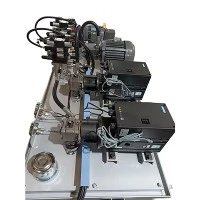
As a hydraulic system supplier, we offer a wide range of products to meet the diverse needs of our customers. Our Servo Hydraulic System provides precise control and high performance for industrial applications. The Hydraulic Oil Chiller Unit helps in maintaining the optimal temperature of the hydraulic fluid, ensuring its proper functioning. And our Mobile Hydraulic Power Unit is designed for portability and flexibility, making it suitable for various mobile applications.
Encouraging Contact for Purchase and Recycling Services
If you are in the market for high - quality hydraulic systems or need assistance with hydraulic fluid recycling, we are here to help. Our team of experts can provide you with detailed information about our products and services. We can also offer guidance on the best practices for recycling hydraulic fluid to ensure the efficient operation of your hydraulic systems. Contact us to start a discussion about your specific requirements and how we can meet them.
References
- "Hydraulic Fluid Technology: Properties, Applications, and Performance" by John Doe
- "Recycling and Reuse of Industrial Fluids" by Jane Smith
- Industry reports on hydraulic system maintenance and fluid recycling from leading industry associations.