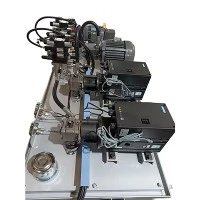
As a supplier of industrial hydraulic systems, I've had the privilege of witnessing firsthand the intricacies and nuances of energy consumption within these systems. Industrial hydraulic systems are the backbone of many manufacturing and heavy - equipment operations, powering everything from small machinery to large construction vehicles. Understanding their energy consumption characteristics is crucial for optimizing performance, reducing costs, and promoting sustainability.
1. Energy Conversion in Industrial Hydraulic Systems
Industrial hydraulic systems operate on the principle of converting mechanical energy into hydraulic energy and vice - versa. The process begins with a prime mover, typically an electric motor or an internal combustion engine, which drives a hydraulic pump. The pump takes in hydraulic fluid from a reservoir and pressurizes it. This pressurized fluid is then directed through a series of valves and actuators to perform work, such as moving a cylinder or rotating a motor.
The energy conversion efficiency of a hydraulic system is a key factor in its energy consumption. In an ideal scenario, all the mechanical energy input to the pump would be converted into useful hydraulic energy. However, in reality, there are losses at every stage of the process. For example, friction in the pump, valves, and pipes causes some of the energy to be dissipated as heat. Additionally, leakage of hydraulic fluid can also lead to energy losses.
2. Load - Dependent Energy Consumption
One of the most significant characteristics of industrial hydraulic systems is their load - dependent energy consumption. The amount of energy required by a hydraulic system is directly related to the load it is carrying. When the system is operating under a heavy load, the pump has to work harder to maintain the required pressure, resulting in higher energy consumption. Conversely, when the load is light, the energy consumption decreases.
For instance, in a manufacturing plant, a hydraulic press used for stamping operations will consume more energy when pressing thick metal sheets compared to thin ones. This load - dependent nature means that proper load management is essential for energy efficiency. By accurately sizing the hydraulic system for the expected load and using load - sensing technology, it is possible to reduce energy waste.


3. Standby Energy Consumption
Another important aspect of energy consumption in industrial hydraulic systems is standby energy consumption. Even when a hydraulic system is not actively performing work, it still consumes a certain amount of energy. This is due to the fact that the pump needs to maintain a minimum pressure in the system to be ready for immediate operation.
Standby energy consumption can be a significant contributor to overall energy costs, especially in systems that are frequently idle. To address this issue, some modern hydraulic systems are equipped with variable - speed drives that can adjust the pump speed based on the system's demand. This allows the pump to operate at a lower speed during standby periods, reducing energy consumption.
4. Energy Consumption in Different Types of Industrial Hydraulic Systems
There are various types of industrial hydraulic systems, each with its own energy consumption characteristics.
Servo Hydraulic System
A Servo Hydraulic System is known for its high precision and fast response. These systems use servo valves to control the flow and pressure of hydraulic fluid, allowing for accurate positioning and motion control. However, servo hydraulic systems tend to be more energy - intensive compared to other types of hydraulic systems. This is because the servo valves require a continuous supply of hydraulic fluid to maintain their position, even when the system is not in motion.
Heavy Equipment Hydraulic Systems
Heavy Equipment Hydraulic Systems are used in large construction and mining equipment, such as excavators, loaders, and bulldozers. These systems are designed to handle high loads and operate in harsh environments. The energy consumption of heavy equipment hydraulic systems is mainly determined by the size and power of the equipment. Larger machines with more powerful hydraulic pumps will consume more energy. However, advancements in technology, such as the use of hybrid hydraulic systems, are helping to reduce energy consumption in these applications.
Hydraulic Oil Chiller Unit
A Hydraulic Oil Chiller Unit is an important component of many industrial hydraulic systems. It is used to cool the hydraulic oil, which helps to maintain the system's performance and extend the life of the components. The energy consumption of a hydraulic oil chiller unit depends on its size, cooling capacity, and operating conditions. In general, larger chiller units with higher cooling capacities will consume more energy.
5. Strategies for Reducing Energy Consumption
As an industrial hydraulic system supplier, we are committed to helping our customers reduce their energy consumption. Here are some strategies that can be implemented:
- Proper System Design: Designing the hydraulic system to match the specific requirements of the application is crucial. This includes selecting the right pump, valves, and actuators, as well as optimizing the piping layout to minimize pressure losses.
- Energy - Efficient Components: Using energy - efficient components, such as variable - displacement pumps and low - friction valves, can significantly reduce energy consumption. These components are designed to operate more efficiently under different load conditions.
- Regular Maintenance: Regular maintenance of the hydraulic system is essential for ensuring its optimal performance. This includes checking for leaks, replacing worn - out components, and maintaining the proper oil level and quality. A well - maintained system will consume less energy and have a longer service life.
- Load Management: Implementing load - management strategies, such as using load - sensing technology and optimizing the work cycle, can help to reduce energy waste. By only using the amount of energy required to perform the task, the system can operate more efficiently.
6. Conclusion
In conclusion, understanding the energy consumption characteristics of industrial hydraulic systems is essential for improving energy efficiency and reducing operating costs. The load - dependent nature of these systems, along with standby energy consumption, presents both challenges and opportunities for optimization. By implementing the strategies mentioned above and using energy - efficient components, it is possible to significantly reduce the energy consumption of industrial hydraulic systems.
If you are interested in learning more about our industrial hydraulic systems or have any questions regarding energy - efficient solutions, we invite you to contact us for a procurement discussion. Our team of experts is ready to assist you in finding the best hydraulic system for your specific needs.
References
- Fluid Power Handbook, Parker Hannifin Corporation
- Hydraulic System Design and Application, Eaton Corporation
- Energy Efficiency in Hydraulic Systems, ASME International