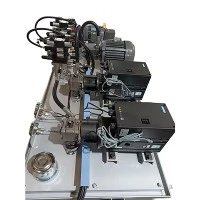
Hey there! As a supplier of Electric Hydraulic Valve Blocks, I've seen my fair share of maintenance and replacement tasks. One common job that often comes up is replacing the pressure relief valve in an Electric Hydraulic Valve Block. In this blog, I'll walk you through the process step by step, so you can handle this task like a pro.
Why Replace the Pressure Relief Valve?
First off, let's talk about why you might need to replace the pressure relief valve. This valve is a crucial component in the hydraulic system. Its main job is to protect the system from over - pressure. If the pressure in the system exceeds a certain limit, the pressure relief valve opens up and releases the excess fluid, preventing damage to the valve block and other components.
Over time, the pressure relief valve can wear out. The seals may start to leak, the spring inside the valve can lose its tension, or the valve may get clogged with debris. When any of these things happen, the valve may not function properly, and it's time for a replacement.
Tools and Materials You'll Need
Before you start the replacement process, gather the following tools and materials:
- A set of wrenches (both metric and standard, depending on your valve block)
- A new pressure relief valve that is compatible with your Electric Hydraulic Valve Block
- A container to collect the hydraulic fluid
- A clean cloth or rag
- Sealant (if required)
Step 1: Safety First
Safety is always the top priority when working with hydraulic systems. First, make sure the power to the Electric Hydraulic Valve Block is turned off. This will prevent any accidental activation of the system while you're working on it.


Next, relieve the pressure in the system. You can do this by opening the appropriate valves or using a pressure - relief tool. Once the pressure is relieved, you can be sure that there won't be any sudden spurts of high - pressure fluid when you start removing the old valve.
Step 2: Locate the Pressure Relief Valve
The pressure relief valve is usually located on the side or top of the Electric Hydraulic Valve Block. It's a relatively small valve, often with a spring - loaded mechanism. You may need to refer to the valve block's manual or schematic to find its exact location.
Step 3: Drain the Hydraulic Fluid
Before you remove the old pressure relief valve, you need to drain the hydraulic fluid from the valve block. Place the container under the valve block to catch the fluid. Open the drain valve (if there is one) or loosen the fittings around the pressure relief valve to let the fluid drain out. Make sure to handle the hydraulic fluid properly, as it can be harmful to the environment.
Step 4: Remove the Old Pressure Relief Valve
Once the fluid is drained, use the wrenches to loosen the nuts or bolts that hold the pressure relief valve in place. Be careful not to damage the valve block or the surrounding components. Slowly remove the old valve from the valve block. You may notice some seals or gaskets attached to the valve. Keep these in a safe place, as you'll need to replace them later.
Step 5: Inspect the Valve Block
After removing the old valve, take a close look at the valve block where the pressure relief valve was installed. Check for any signs of damage, such as cracks or scratches. Clean the area with a clean cloth to remove any dirt or debris. If there are any damaged parts, you may need to repair or replace them before installing the new valve.
Step 6: Install the New Pressure Relief Valve
Now it's time to install the new pressure relief valve. First, apply a small amount of sealant to the seals or gaskets (if required). Carefully place the new valve into the valve block and align it with the holes. Use the wrenches to tighten the nuts or bolts, but don't over - tighten them. Over - tightening can damage the valve or the valve block.
Step 7: Refill the Hydraulic Fluid
Once the new valve is installed, refill the valve block with hydraulic fluid. Make sure to use the correct type of fluid recommended by the manufacturer. Check the fluid level regularly and add more fluid if necessary.
Step 8: Test the System
After refilling the fluid, turn on the power to the Electric Hydraulic Valve Block. Slowly increase the pressure in the system and monitor the pressure relief valve. It should open and close at the appropriate pressure. If you notice any leaks or abnormal behavior, turn off the power immediately and check the installation.
Related Products
If you're interested in other types of valve blocks, we also offer Hydraulic Diverter Block, Electric Over Hydraulic Valve Block, and Hydraulic Spool Valve Block. These valve blocks are designed to meet different hydraulic system requirements.
Contact Us for Purchasing
If you need to purchase a new pressure relief valve or any other components for your Electric Hydraulic Valve Block, or if you have any questions about the replacement process, feel free to reach out to us. We're here to help you find the right products and provide you with the best service.
References
- Hydraulic System Maintenance Manuals
- Electric Hydraulic Valve Block Manufacturer's Guides