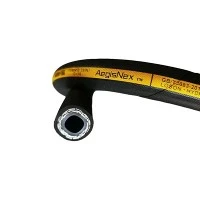
As a supplier of High Temperature Hydraulic Hose, I often get asked whether these hoses are compatible with different hydraulic fluids. It's a crucial question, especially for industries that rely on hydraulic systems to function smoothly. In this blog, I'll dive into the details of this compatibility and share some insights based on my experience in the field.
Understanding High Temperature Hydraulic Hoses
First off, let's talk about what High Temperature Hydraulic Hoses are. These hoses are designed to withstand extreme temperatures, which is super important in applications where the hydraulic system generates a lot of heat. They're commonly used in heavy machinery, manufacturing plants, and even in some automotive applications.
The High Temperature Hydraulic Hose is built with special materials that can handle high temperatures without losing their integrity. The inner tube, for example, is usually made of a synthetic rubber or thermoplastic that can resist heat and chemicals. The outer layer is often reinforced with braided or spiral steel wire to provide strength and durability.
Compatibility with Different Hydraulic Fluids
Now, let's get to the main question: Are high temperature hydraulic hoses compatible with different hydraulic fluids? The answer is, it depends. There are several factors to consider when determining compatibility.
Type of Hydraulic Fluid
There are different types of hydraulic fluids, each with its own properties. The most common types include mineral oil-based fluids, synthetic fluids, and water-based fluids. Mineral oil-based fluids are the most widely used because they're relatively inexpensive and have good lubricating properties. Synthetic fluids, on the other hand, offer better performance in extreme temperatures and are more resistant to oxidation and wear. Water-based fluids are used in applications where fire safety is a concern.
When it comes to compatibility, the type of fluid can have a big impact on the hose. For example, some hoses are specifically designed to work with mineral oil-based fluids, while others can handle synthetic or water-based fluids. It's important to choose a hose that's compatible with the type of fluid you're using to ensure optimal performance and longevity.
Temperature and Pressure
The temperature and pressure of the hydraulic system also play a role in compatibility. High temperature hydraulic hoses are designed to handle high temperatures, but different fluids have different temperature limits. If the fluid gets too hot, it can cause the hose to degrade or even fail. Similarly, high pressure can put stress on the hose and cause it to leak or burst.
It's important to choose a hose that can handle the temperature and pressure requirements of your hydraulic system. Make sure to check the specifications of the hose and the fluid to ensure they're compatible.
Chemical Compatibility
In addition to temperature and pressure, the chemical properties of the fluid can also affect compatibility. Some fluids contain additives or chemicals that can react with the materials in the hose. For example, some fluids may be corrosive or abrasive, which can damage the inner tube of the hose.
Before using a new fluid in your hydraulic system, it's important to test the compatibility with the hose. You can do this by conducting a small-scale test or by consulting the manufacturer of the hose.
Benefits of Using Compatible Hoses
Using compatible high temperature hydraulic hoses offers several benefits. First and foremost, it ensures the safety and reliability of your hydraulic system. When the hose is compatible with the fluid, it can operate at its optimal performance, reducing the risk of leaks, failures, and downtime.
Secondly, using compatible hoses can extend the lifespan of your hydraulic system. When the hose is not compatible with the fluid, it can cause premature wear and tear, which can lead to costly repairs and replacements. By using a compatible hose, you can save money in the long run.
Finally, using compatible hoses can improve the efficiency of your hydraulic system. When the hose is working properly, it can transfer the fluid more effectively, reducing energy consumption and improving overall performance.
Choosing the Right High Temperature Hydraulic Hose
When choosing a high temperature hydraulic hose, there are several factors to consider. Here are some tips to help you make the right choice:
Consider the Application
The first thing to consider is the application. Different applications have different requirements, so it's important to choose a hose that's suitable for your specific needs. For example, if you're using the hose in a high-temperature environment, you'll need a hose that can handle the heat. If you're using the hose in a high-pressure application, you'll need a hose that can handle the pressure.
Check the Specifications
Make sure to check the specifications of the hose before making a purchase. The specifications will tell you the temperature and pressure limits of the hose, as well as the type of fluid it's compatible with. Make sure to choose a hose that meets your requirements.
Look for Quality
When it comes to high temperature hydraulic hoses, quality is key. Look for a hose that's made from high-quality materials and has been tested to ensure its performance and reliability. You can also look for hoses that are certified by industry standards organizations, such as the Society of Automotive Engineers (SAE).
Consider the Cost
While cost is an important factor, it shouldn't be the only factor you consider. A cheap hose may save you money in the short term, but it may not last as long or perform as well as a more expensive hose. Make sure to balance the cost with the quality and performance of the hose.
Conclusion
In conclusion, high temperature hydraulic hoses can be compatible with different hydraulic fluids, but it's important to choose the right hose for your specific application. By considering the type of fluid, temperature, pressure, and chemical compatibility, you can ensure that your hydraulic system operates safely and efficiently.


If you're in the market for a High Temperature Hydraulic Hose, Stainless Steel Braided Hydraulic Hose, or High Temp Hydraulic Hose, I'd be happy to help. Feel free to reach out to me to discuss your requirements and find the right hose for your needs.
References
- Hydraulic Institute. (n.d.). Hydraulic Fluid Compatibility. Retrieved from [Website URL]
- Society of Automotive Engineers (SAE). (n.d.). Standards for High Temperature Hydraulic Hoses. Retrieved from [Website URL]