

Hey there! As a supplier of High Temperature Hydraulic Hoses, I often get asked about how long these hoses last. It's a crucial question, especially for businesses that rely on hydraulic systems in high - temperature environments. So, let's dive right in and explore this topic.
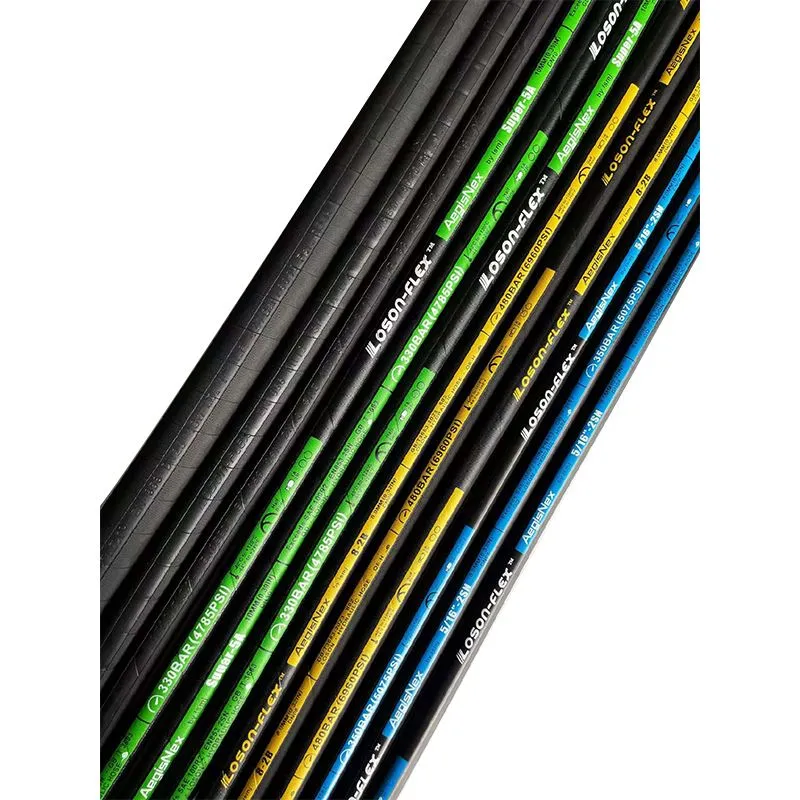

Factors Affecting the Lifespan of High Temperature Hydraulic Hoses
1. Temperature
The most obvious factor is the temperature. High - temperature hydraulic hoses are designed to withstand extreme heat, but there's a limit. If the temperature constantly exceeds the rated temperature of the hose, its lifespan will be significantly reduced. For example, if a hose is rated for a maximum temperature of 200°C and it's regularly exposed to 250°C, the rubber or other materials in the hose will start to break down faster. This can lead to cracking, leaks, and ultimately, hose failure.
2. Pressure
Hydraulic systems operate under different pressures. High - pressure applications can put a lot of stress on the hose. If the pressure is too high for the hose's rating, it can cause the inner tube to bulge or even burst. Over time, this repeated stress can weaken the hose structure. For instance, a hose rated for 3000 psi might not last long if it's constantly subjected to 4000 psi.
3. Fluid Compatibility
The type of fluid flowing through the hose also matters. Some fluids can be aggressive towards the hose material. For example, certain chemicals or oils can cause the rubber to swell, harden, or degrade. If the hose isn't compatible with the fluid, it can lead to premature failure. It's essential to choose a hose that's specifically designed for the type of fluid it will carry.
4. Flexing and Movement
In many hydraulic systems, hoses are subject to bending, twisting, and other types of movement. This constant flexing can cause fatigue in the hose. The more the hose is flexed, the shorter its lifespan is likely to be. For example, in a Porta Power Hose application where the hose is frequently bent during operation, the stress on the hose can accelerate wear and tear.
5. Installation
Proper installation is key to a long - lasting hose. If the hose is kinked, pinched, or installed in a way that restricts its movement, it can cause problems. For example, if a hose is installed too tightly around a sharp corner, it can develop weak spots that will eventually lead to failure.
Typical Lifespan of High Temperature Hydraulic Hoses
On average, a well - maintained high temperature hydraulic hose can last anywhere from 2 to 5 years. However, this is just a rough estimate, and the actual lifespan can vary widely depending on the factors mentioned above.
In a relatively stable environment with low pressure, moderate temperature, and compatible fluids, a hose might last closer to 5 years. But in a harsh environment with high - temperature and high - pressure conditions, the lifespan could be as short as 1 or 2 years.
Extending the Lifespan of High Temperature Hydraulic Hoses
1. Regular Inspections
Regularly inspecting the hoses is crucial. Look for signs of wear, such as cracks, bulges, or leaks. Check the fittings for tightness and corrosion. By catching problems early, you can replace the hose before it fails completely.
2. Proper Maintenance
Keep the hoses clean and free from debris. If the hoses are exposed to dirt or other contaminants, it can cause abrasion and damage. Also, make sure to follow the manufacturer's guidelines for maintenance, such as lubricating the fittings if required.
3. Correct Installation
As mentioned earlier, proper installation is vital. Make sure the hoses are installed in a way that allows for proper movement and doesn't create unnecessary stress. Use the right tools and techniques during installation.
Comparison with Other Types of Hydraulic Hoses
Let's take a look at how high temperature hydraulic hoses compare to other types, like Mobile Hydraulic Hoses. Mobile hydraulic hoses are often used in vehicles and equipment that are constantly on the move. They need to be flexible and able to withstand vibrations. High temperature hydraulic hoses, on the other hand, are more focused on withstanding extreme heat.
While mobile hydraulic hoses might have a different set of challenges related to movement and vibration, high temperature hoses face the challenge of heat. The lifespan of mobile hydraulic hoses can also vary depending on factors like usage and maintenance, but they generally have a different set of design requirements compared to high temperature hoses.
When to Replace High Temperature Hydraulic Hoses
It's important to know when to replace a high temperature hydraulic hose. If you notice any of the following signs, it's time to consider a replacement:
- Visible Damage: Cracks, bulges, or cuts on the hose surface are clear signs of wear.
- Leaking: Even a small leak can indicate that the hose is failing.
- Reduced Performance: If the hydraulic system isn't performing as well as it used to, it could be due to a faulty hose.
Conclusion
So, how long does a high temperature hydraulic hose last? Well, it depends on a variety of factors, including temperature, pressure, fluid compatibility, flexing, and installation. By understanding these factors and taking proper care of the hoses, you can extend their lifespan.
If you're in the market for High Temperature Hydraulic Hoses, we're here to help. We offer high - quality hoses that are designed to meet your specific needs. Whether you're looking for a hose for a high - temperature industrial application or a more specialized use, we've got you covered. Contact us to discuss your requirements and let's work together to find the best solution for your hydraulic system.
References
- Hydraulic Hose Handbook, Various Industry Publications
- Manufacturer's Guides for High Temperature Hydraulic Hoses


