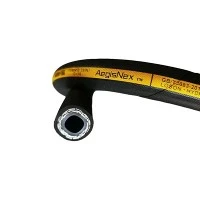
Hey there! I'm a supplier of high temp hydraulic hoses, and today I want to dig into a question that often pops up: Are high temp hydraulic hoses suitable for pneumatic applications?
First off, let's understand what high temp hydraulic hoses are. High temp hydraulic hoses, like the ones you can check out High Temperature Hydraulic Hose, are designed to handle high - pressure and high - temperature environments in hydraulic systems. They're built tough to withstand the rigors of hydraulic fluid flow, which can be pretty intense.
Hydraulic systems work by using a liquid (usually oil) to transmit power. The hoses in these systems need to be able to handle the pressure and temperature changes that come with the operation of hydraulic machinery. High temp hydraulic hoses are made with special materials and construction techniques to ensure they can handle these conditions. For example, they often have multiple layers of reinforcement, like stainless steel braiding, which you can learn more about in Stainless Steel Braided Hydraulic Hose.
On the other hand, pneumatic systems use compressed air to transmit power. The requirements for hoses in pneumatic applications are a bit different. Pneumatic hoses need to be able to handle the flow of air, which has different properties compared to hydraulic fluid. Air is much less viscous than hydraulic oil, and the pressure and temperature characteristics in pneumatic systems can also vary.
So, can high temp hydraulic hoses be used in pneumatic applications? Well, it depends. In some cases, high temp hydraulic hoses can work in pneumatic systems. They're often very durable and can handle high pressures, which are also common in pneumatic applications. If the pneumatic system doesn't have extremely high - flow requirements and the pressure and temperature are within the range that the high temp hydraulic hose can handle, it might be a viable option.
However, there are some factors to consider. One of the main differences between hydraulic and pneumatic systems is the type of fluid they use. Hydraulic hoses are designed to be compatible with hydraulic fluids, and using them in a pneumatic system where air is the medium might lead to some issues. For example, the inner lining of a hydraulic hose might not be optimized for air flow, which could result in increased resistance and reduced efficiency.
Another thing to think about is the flexibility of the hose. Pneumatic systems sometimes require hoses to be more flexible, especially in applications where the equipment needs to move around a lot. While high temp hydraulic hoses are generally strong and durable, they might not be as flexible as dedicated pneumatic hoses.
Let's take a look at an example. Suppose you have a small pneumatic tool that doesn't require a high - flow rate and operates at relatively low pressures. In this case, a high temp hydraulic hose might work just fine. But if you're dealing with a large - scale pneumatic system with high - flow requirements and high - speed air movement, a dedicated pneumatic hose would probably be a better choice.
There are also some safety concerns. Pneumatic systems can have different safety requirements compared to hydraulic systems. For instance, in a pneumatic system, there's a risk of air leaks, which can be dangerous if not properly managed. High temp hydraulic hoses might not have the same level of sealing performance when used in a pneumatic system, increasing the risk of leaks.
Now, let's talk about some of the benefits of using high temp hydraulic hoses in pneumatic applications. As I mentioned earlier, they're very durable. If you have a pneumatic system that operates in a harsh environment, a high temp hydraulic hose can withstand the wear and tear better than some pneumatic hoses. They also have a high burst pressure rating, which means they can handle sudden pressure spikes without failing.

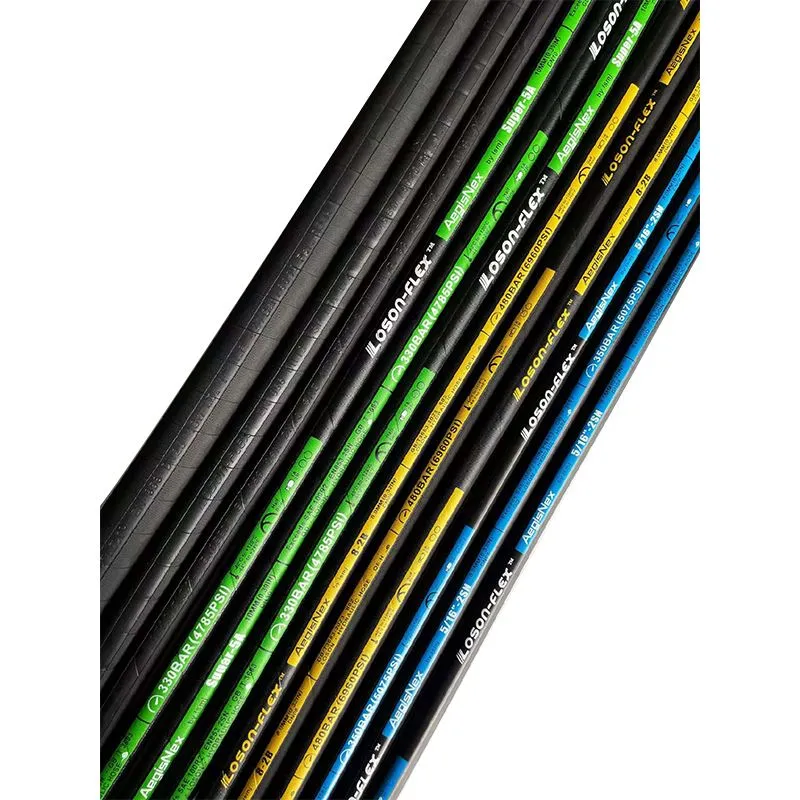
But what about the drawbacks? Besides the potential issues with air flow and flexibility, high temp hydraulic hoses can be more expensive than dedicated pneumatic hoses. If your pneumatic application doesn't really need the high - temperature and high - pressure capabilities of a hydraulic hose, you might be overspending.
In some cases, you might be able to modify a high temp hydraulic hose to make it more suitable for pneumatic applications. For example, you could change the fittings to ensure a better seal for air. However, this requires some technical knowledge and might not be feasible for all applications.
If you're still not sure whether high temp hydraulic hoses are right for your pneumatic application, it's a good idea to consult with an expert. At our company, we have a team of professionals who can help you make the right decision. We've been in the business of supplying high temp hydraulic hoses for a long time, and we understand the ins and outs of both hydraulic and pneumatic systems.
If you're interested in learning more about our high temp hydraulic hoses, you can also check out our Porta Power Hose. These hoses are designed for specific applications and might be a good fit for your pneumatic needs.
In conclusion, high temp hydraulic hoses can be used in pneumatic applications in some situations, but it's important to carefully consider the specific requirements of your system. If you're looking for a durable and high - pressure - capable hose, and your pneumatic system can tolerate the potential drawbacks, a high temp hydraulic hose might be a good option.
If you're thinking about making a purchase or just want to have a chat about your pneumatic or hydraulic hose needs, don't hesitate to reach out. We're here to help you find the best solution for your application.
References:
- General knowledge of hydraulic and pneumatic systems
- Product specifications of high temp hydraulic hoses, stainless steel braided hydraulic hoses, and porta power hoses.